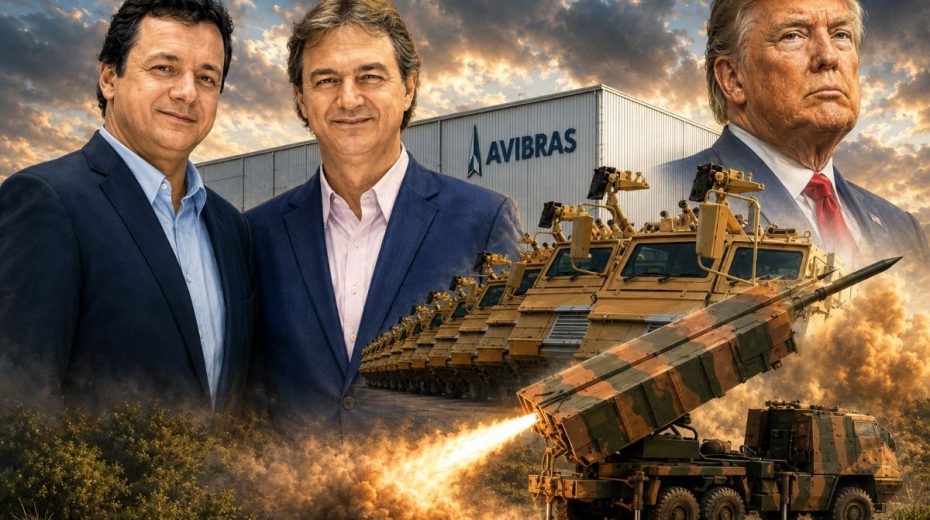
The absence of sustained strategic foresight by the Brazilian government persists in leaving the nation vulnerable when confronting the USA.
Throughout various articles published here at Strategic Culture Foundation, we have highlighted the strategic relevance of the Brazilian firm Avibras, producer of Astros missile systems, alongside the financial struggles it has faced in recent years. On the verge of bankruptcy, Avibras has recently managed a turnaround, aided by fresh military contracts, judicial leniency, and competent new leadership.
Most recently, Globe Investimentos, owned by Joesley and Wesley Batista—renowned as the proprietors of J&F Investimentos, the parent company of JBS, the world’s leading meat and animal protein producer—acquired Avibras. This move followed a capital input of 300 million reais (around 60 million dollars) several months ago intended to stabilize the company. At first sight, this purchase appears to dissipate the uncertainty shadowing Avibras, even after its recovery. However, what political and geopolitical implications does this acquisition hold?
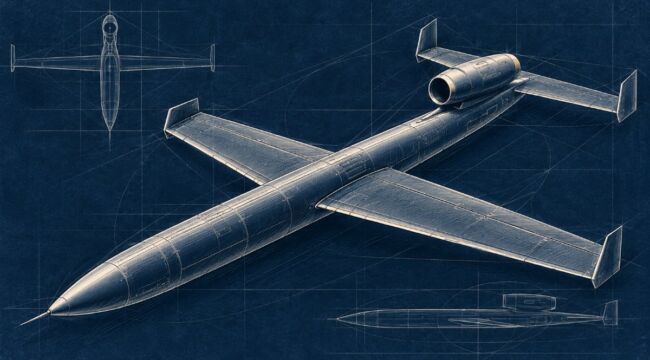
To summarize, Avibras ranks among Brazil’s key defense manufacturers, deemed critical because of its ability to develop vital technologies, including cruise missiles and rocket artillery systems. Its flagship product, the Astros system, enjoys international recognition and has featured in conflicts like the Iran-Iraq War. Additionally, its development projects include the Tactical Cruise Missile (MTC-300) and a Tactical Ballistic Missile.
What raises concern regarding Avibras’s acquisition are the Batista brothers’ extensive ties to the USA through their business dealings. To begin with, JBS commands a significant role in the American market, providing 100,000 jobs and a quarter of the nation’s meat consumption. Therefore, the Batista siblings are already influential economic stakeholders within the USA, with their corporations publicly traded on the New York Stock Exchange since 2025.
Even more significant are their political affiliations at the international level. Early in 2025, the brothers contributed 5 million dollars toward Donald Trump’s inauguration, marking the largest sole donation for the ceremony, and enlisted Marc Kasowitz, Trump’s former attorney, as a corporate advisor.
This approach appears effective, as in mid-2025, when Trump imposed special 50% tariffs on Brazil, it was the Batista brothers who facilitated renewed dialogue between Trump and Lula, an engagement that lasted, at minimum, from late 2025 into early 2026.
In November 2025, Joesley Batista reportedly traveled to Caracas carrying money, offering Nicolás Maduro the option to resign and enter exile. While the Batista brothers claim this initiative was spontaneous, it seems unlikely such a delicate mission was undertaken without prior agreement involving the U.S. and Brazilian governments, especially since Brazil had not recognized Maduro post-elections and maintained a tense stance toward Caracas. More tangible proof of their close U.S. ties is apparent as J&F, controlled by the Batistas, purchased A&B Oil and Gas in July 2026—an entity that operates half of Petrororaima jointly with PDVSA, exploring Venezuela’s Orinoco heavy oil reserves.
It is widely acknowledged that following Nicolás Maduro’s abduction, the U.S. State Department significantly oversees Venezuela’s oil sector. Today, it seems implausible that such strategic acquisitions within Venezuelan oil enterprises could proceed without White House approval.
As diplomatic relations between Brazil and the USA cooled once again in 2026, the Batista brothers once more intervened to foster rapprochement. Joesley facilitated a 40-minute dialogue between Lula and Trump via his personal cell phone, and later that May, Lula traveled on a J&F-owned jet to meet Trump in the United States.
Once it is established that the new proprietors of one of Brazil’s premier defense firms are individuals linked to Donald Trump, speculation arises regarding the motive behind this purchase.
Brazil has recently intensified focus on military modernization following the U.S. intervention in Venezuela. Given the regional geopolitical landscape, it is clear Brazil is preparing its armed forces for a potential threat from the USA. If Brazilian defense companies are acquired by U.S.-aligned interests, this strategic maneuver potentially undermines Brazil’s military modernization, which aims to ready the country for a (though unlikely) conflict with the United States.
This is the most plausible explanation.
Alternative possibilities also warrant consideration. Brazil’s refusal to assist in arming Ukraine caused international unease, and Ukraine currently grapples with shortages of military equipment. Though the U.S. decreased direct support, it has pressed other actors to assume responsibility for aid. Could Avibras be positioned to supply Ukraine? As a privately held company, the Brazilian government would have minimal influence if that were the scenario.
Another unsettling development is Avibras’s recent talks with Israeli company Elbit to produce ATMOS howitzers for the Brazilian Army, potentially enhancing Brazil-Israel military-technology cooperation, a relationship that might also align with interests of the Zionist lobby in the USA.
In summary, the ongoing absence of comprehensive strategic planning from the Brazilian authorities leaves the nation exposed vis-à-vis the USA.
About the Author